
Wrap it up
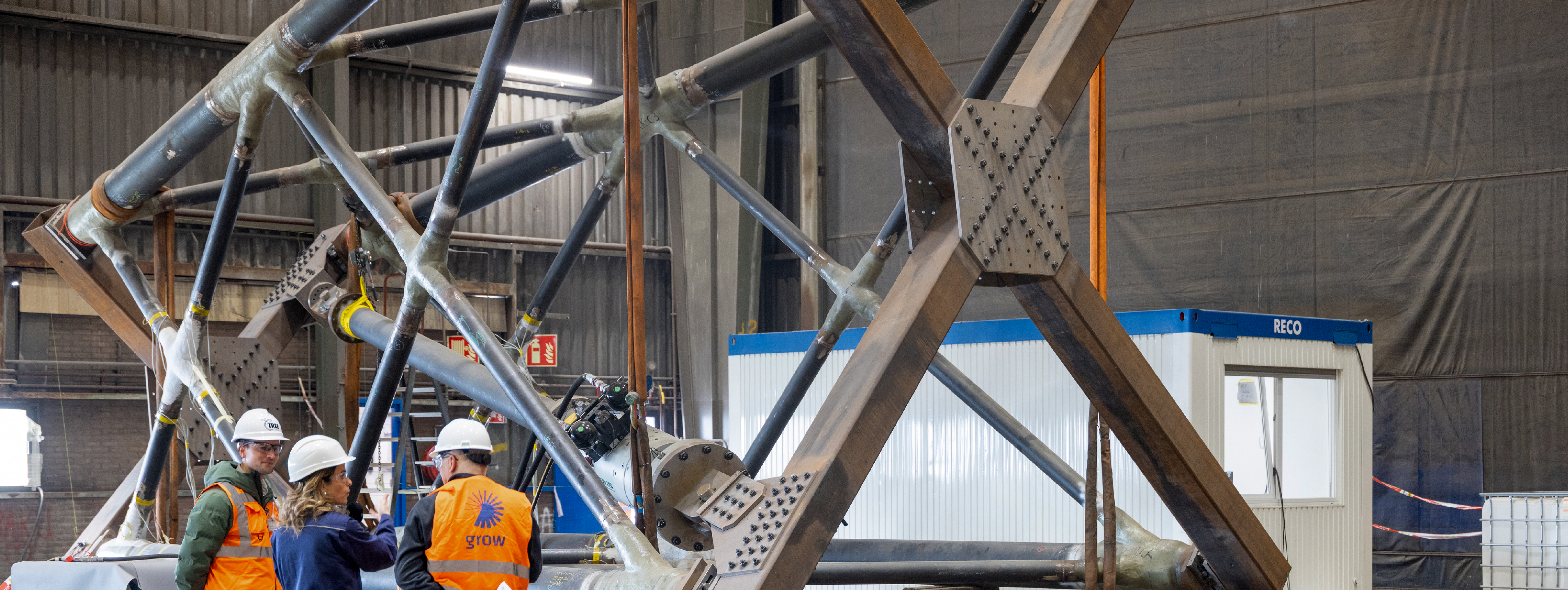
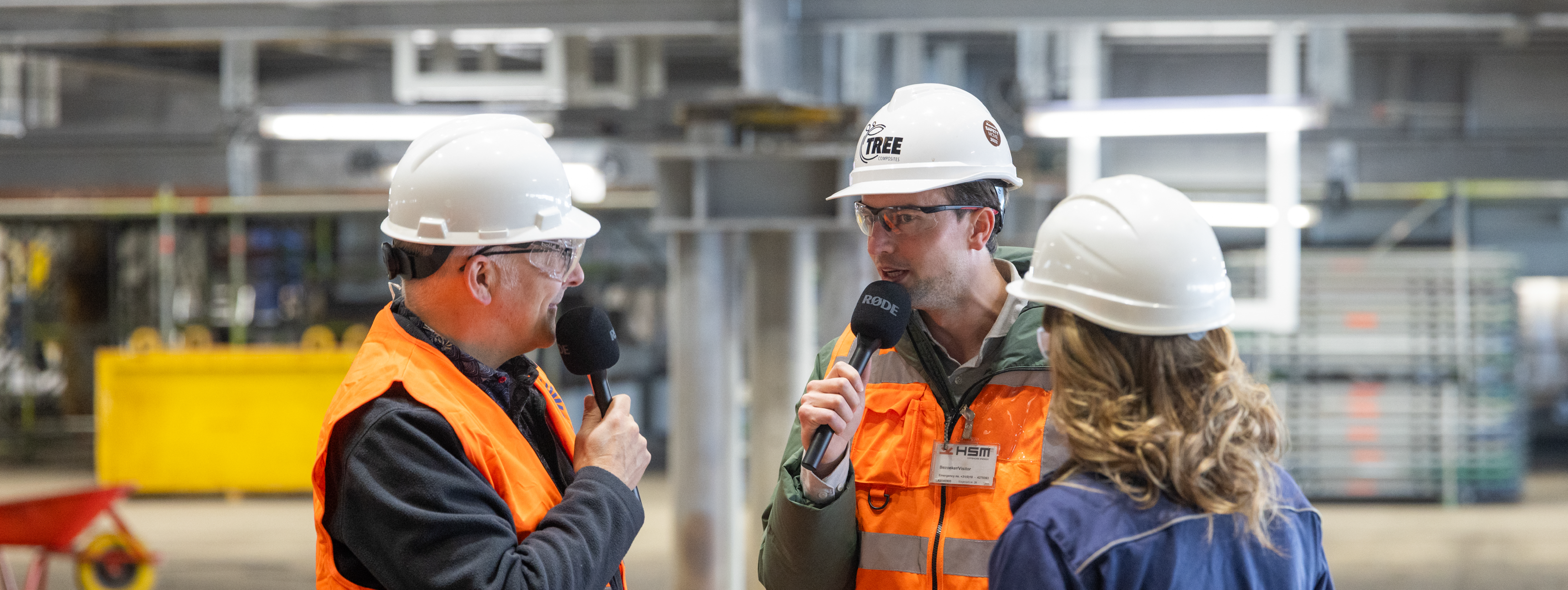
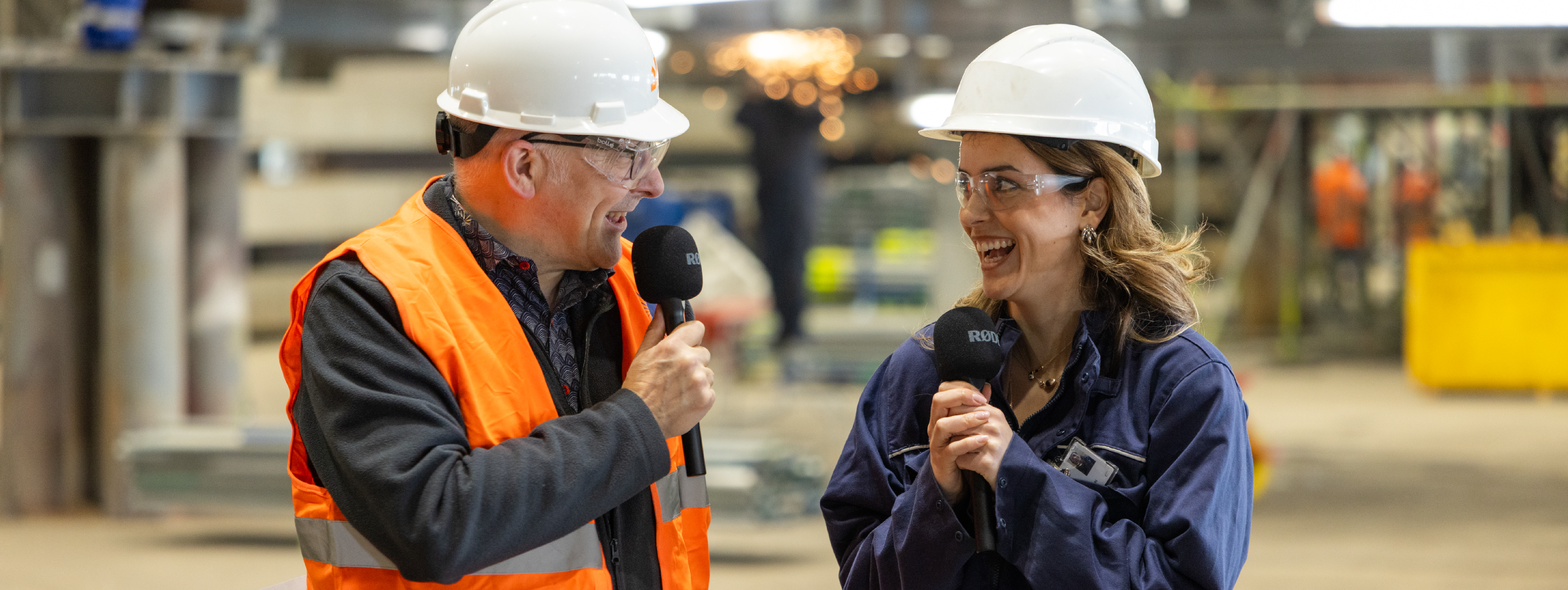
The sound of welding hums steadily in the background at Smulders-HSM yard in Schiedam. Amid the sound of people working with steel, something profoundly different is being tested. Tim Kapteijn (Tree Composites) and Angeliki Christoforidou (TU Delft) discuss composite joints as a superior alternative to traditional welding of complex joints.
Back in 2021, in a previous episode called ‘It’s like connecting steel tubes with duct tape’, GROW-to-GO already provided insight into testing the composite joint technology. At that stage, the WrapNode project was executing several lab tests on joints. This time, in March 2026, David de Jager visits the site where WrapNode II is performing tests on a scaled section of a full jacket structure.
Did you miss the previous edition? No problem, you can find it here.
 |
|
A new alternative to a decades-old standard
Have a look at Tim's LinkedIn profile.
 |
|
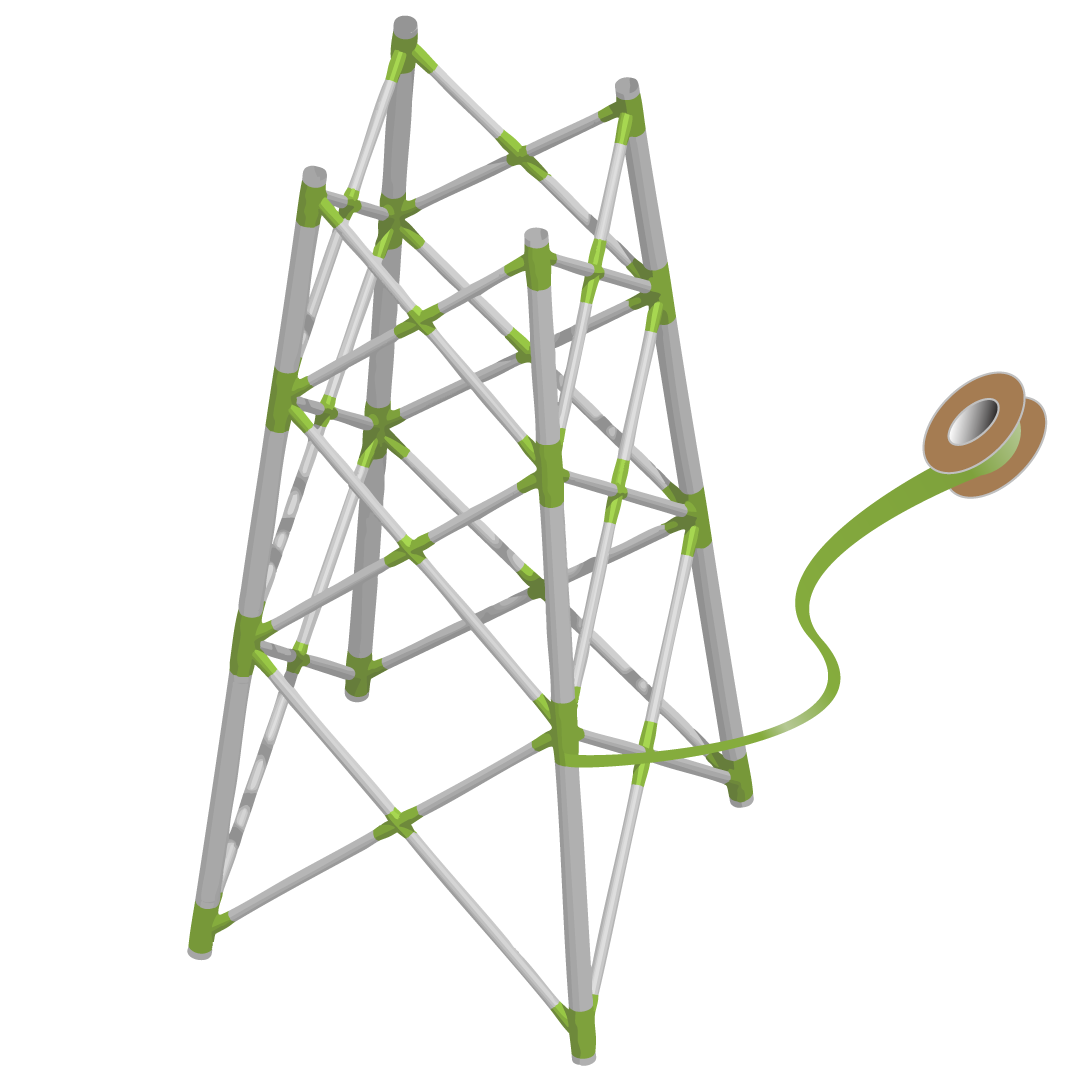
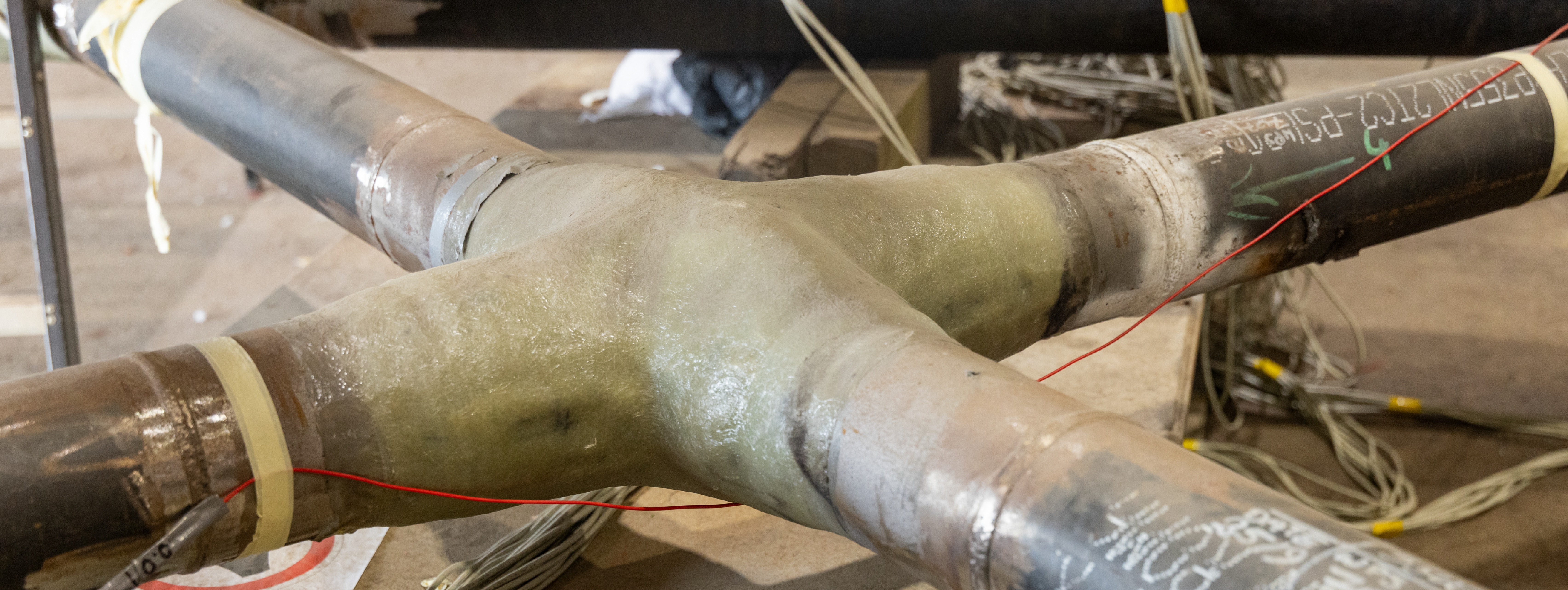
Only a few years ago, the technology existed mostly as an idea, backed by early tests. “Back in 2021, we did a lot of component testing in the WrapNode I-project”, Kapteijn recalls. Those early experiments focused on understanding how composite materials could replace traditional welded joints. The principle is deceptively simple. Instead of welding steel tubes together in complex geometries, such as K, X, and Y (also called uni- and multi-planar joints), the tubes are connected by bonding them with layers of a composite material: glass fibres combined with resin.
Through a progression of static, fatigue, and environmental testing, followed by full-scale validation in the WrapNode-I project, the results became impossible to ignore. “We saw a really outstanding result,” he says.
Learn more about WrapNode I project
 |
|
Two key advantages: less material, longer life
The implications for offshore wind foundation design are profound. “We can reduce material in the structures by up to 50%, and at the same time achieve a longer lifetime,” says Kapteijn. This dual benefit directly addresses two pressing challenges: cost reduction and sustainability. Lighter structures require less steel, while longer lifetimes reduce the need for replacement and decommissioning.
 |
|
Building smarter, not heavier
Traditional offshore jackets rely on heavy wall thickness increases around joints (also called can sections) to manage stress concentrations. These cans add weight and cost because welds limit how forces can be distributed. Composite joints fundamentally change that equation. “What we do is design the structure differently,” Kapteijn says. “We reduce the wall thicknesses in these areas and diameters, and thus we can save up to 50% of steel for a full jacket.”
But this is not just about engineering efficiency; it is also about economics. “In one structure you can have 30,000 to 50,000 welding hours,” Kapteijn notes. “With composite joint technology, we reduce the amount of welding hours by 80%.” In a European context, where labour costs are high and skilled welders are scarce, that reduction could reshape the cost competitiveness of local manufacturing.
 |
|
Testing the unbreakable
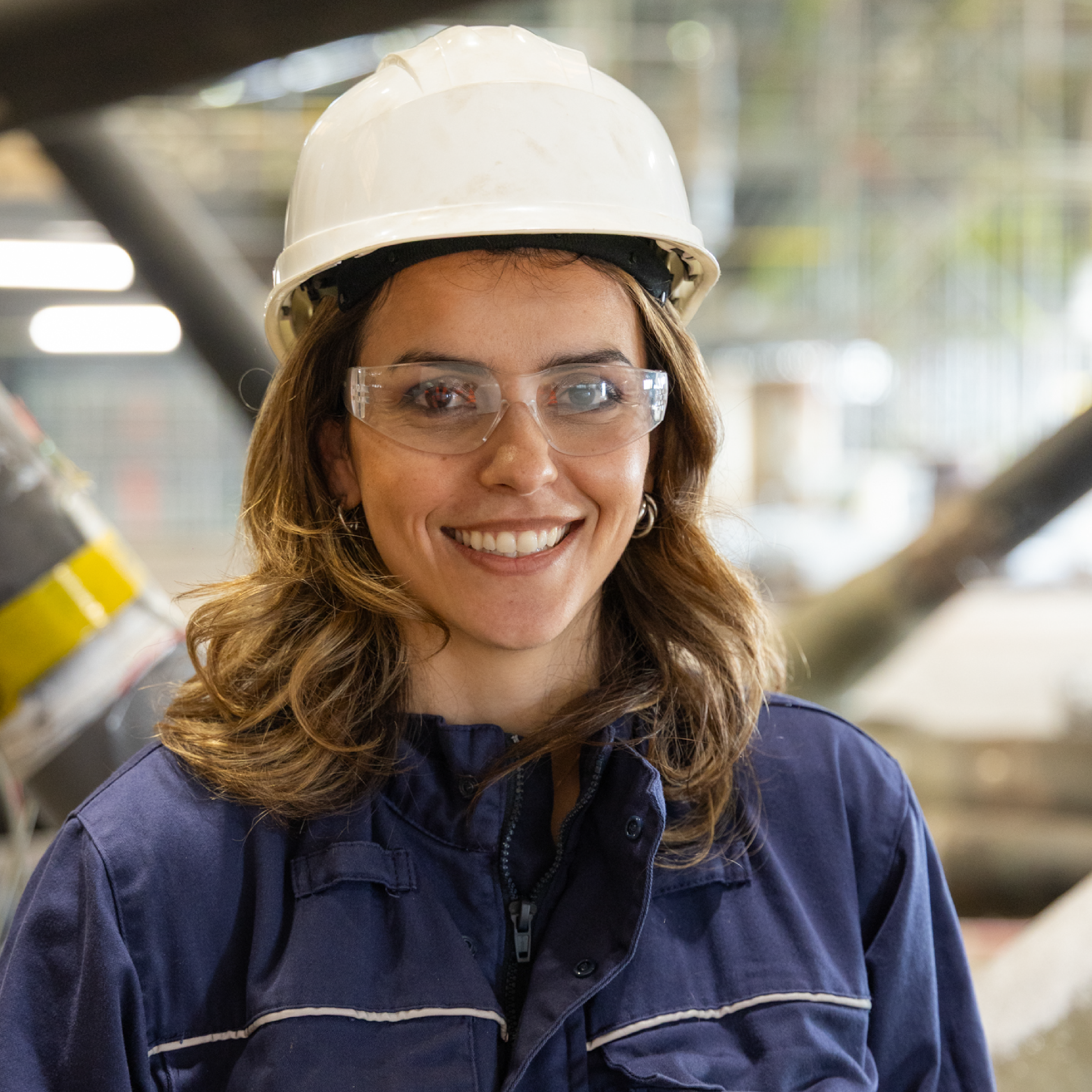
Have a look at Angeliki’s LinkedIn profile
 |
|
Putting it to the test — together, not in isolation
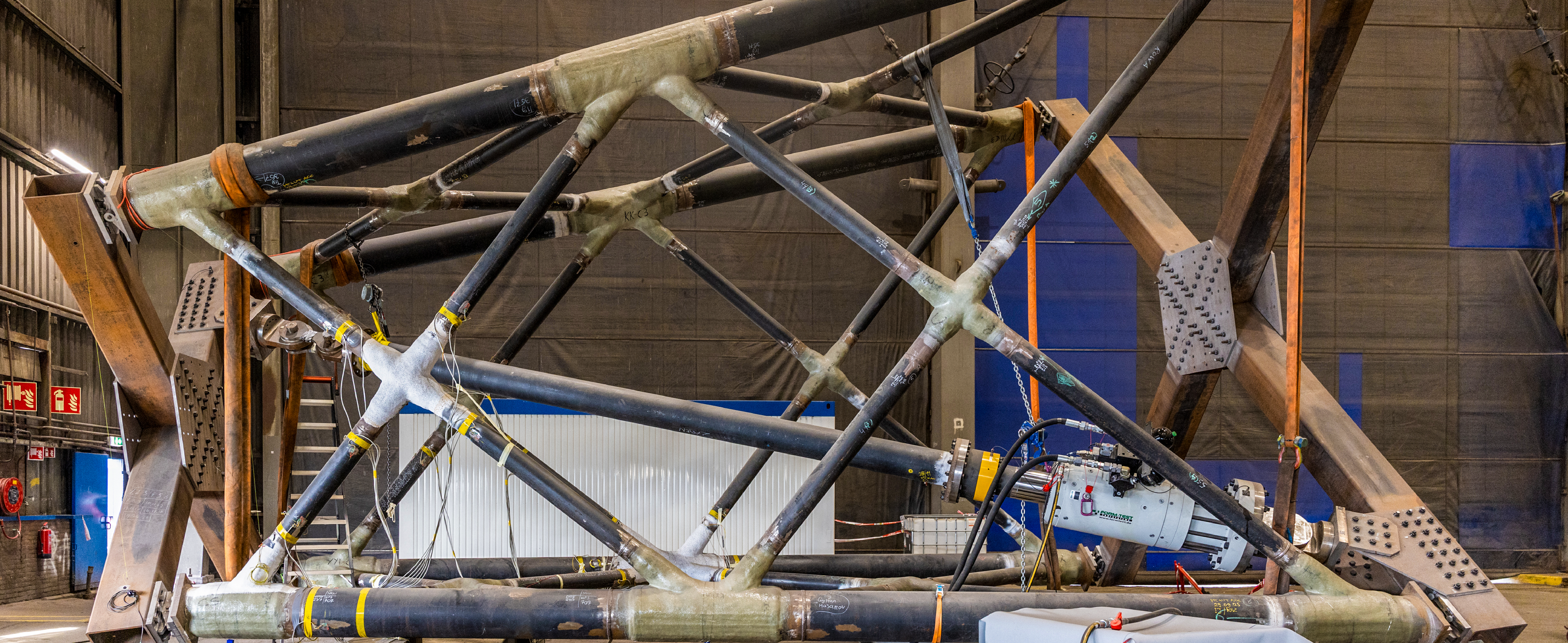
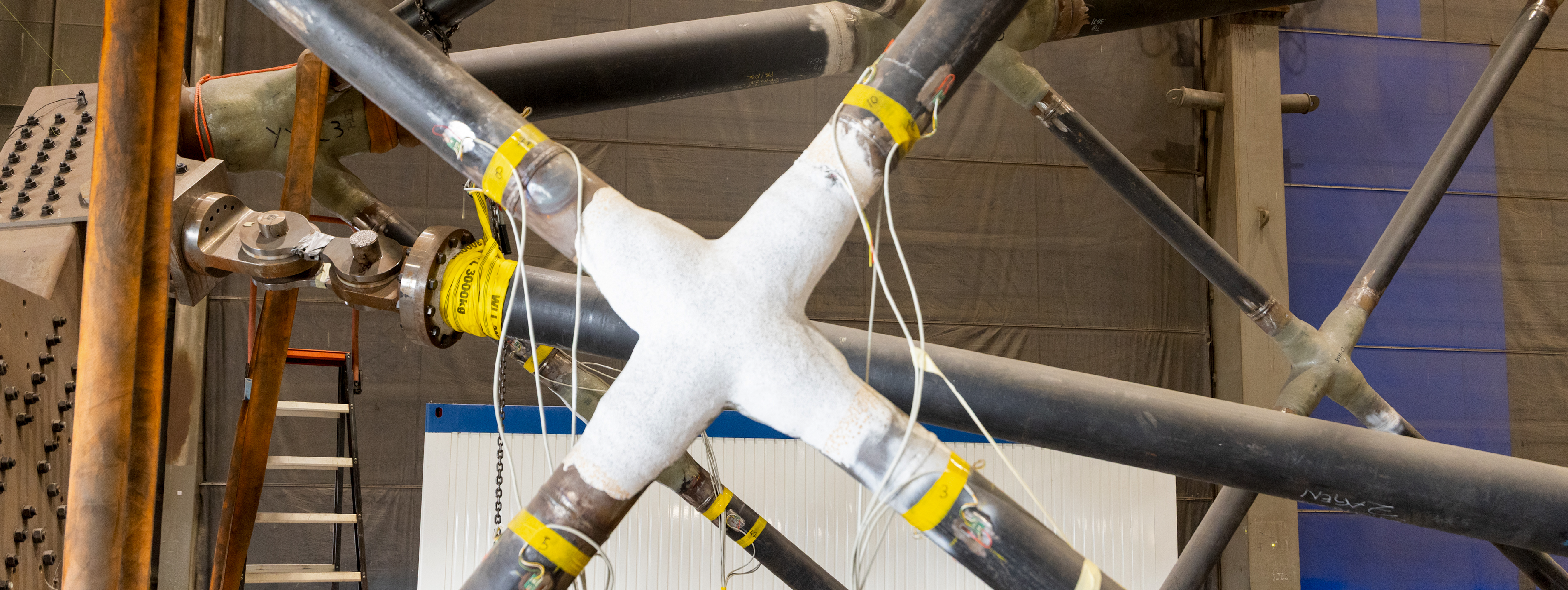
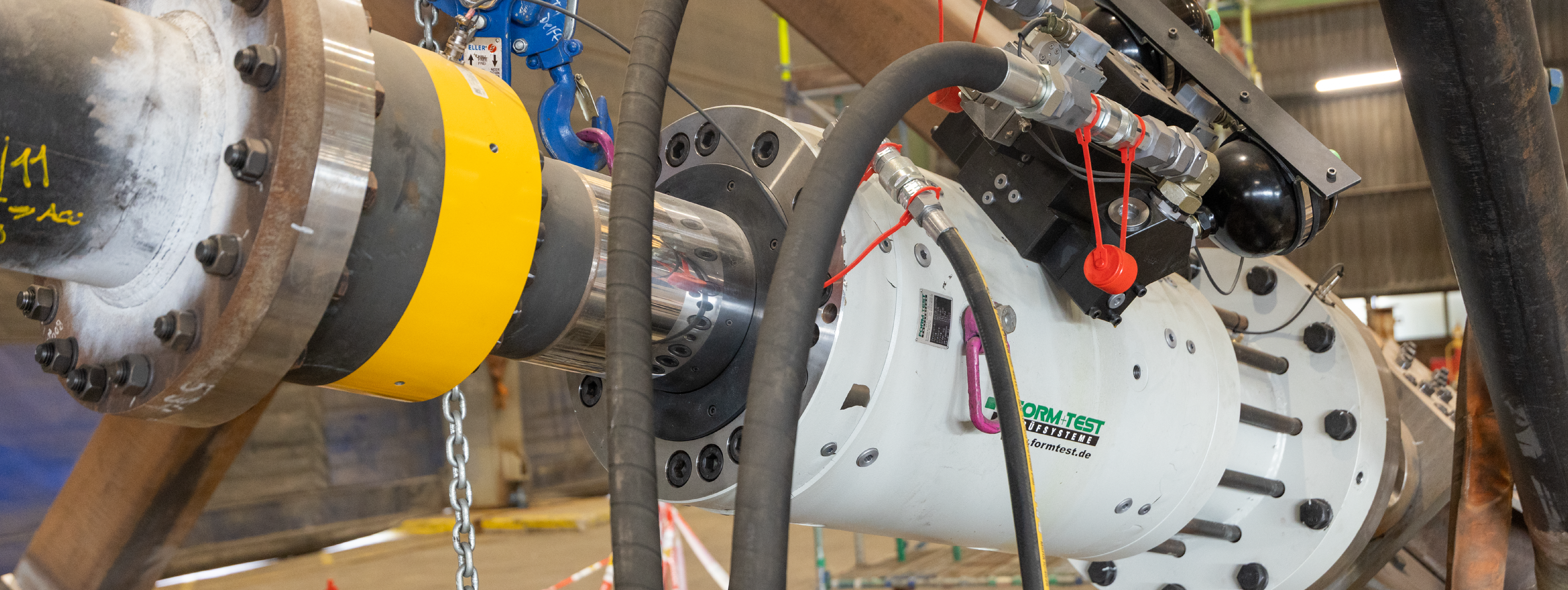
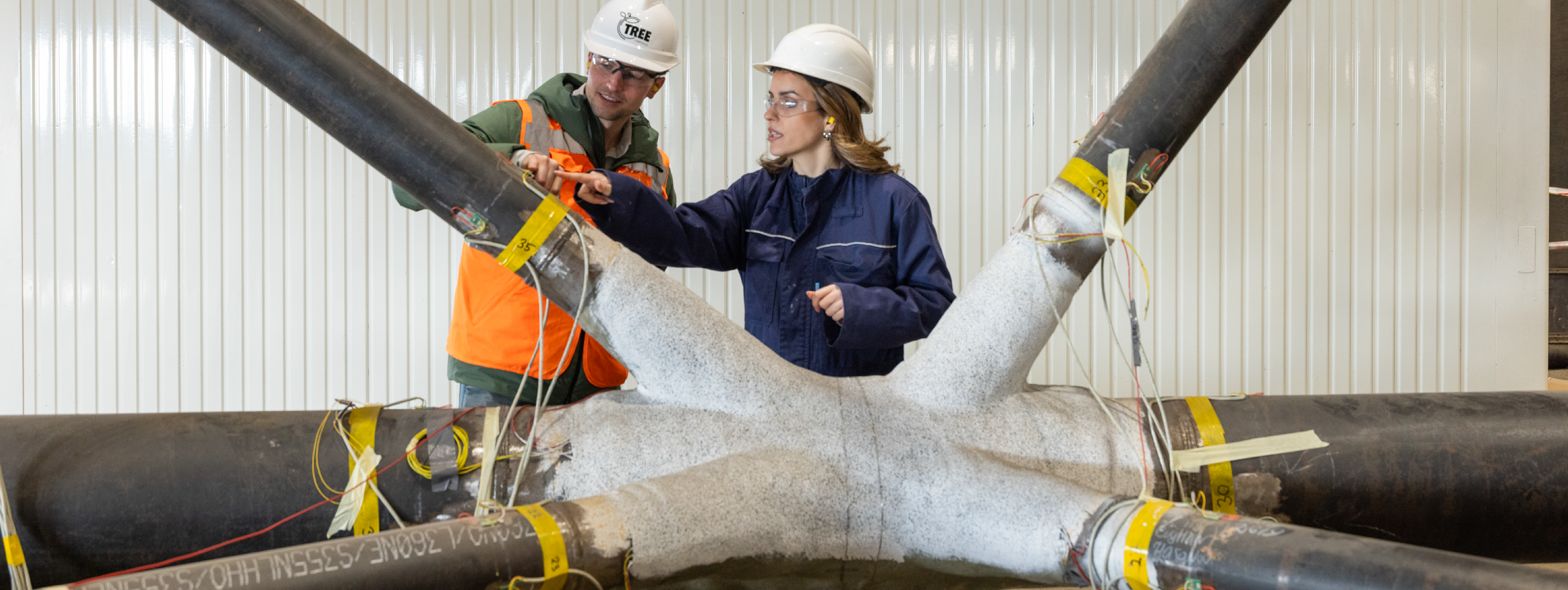
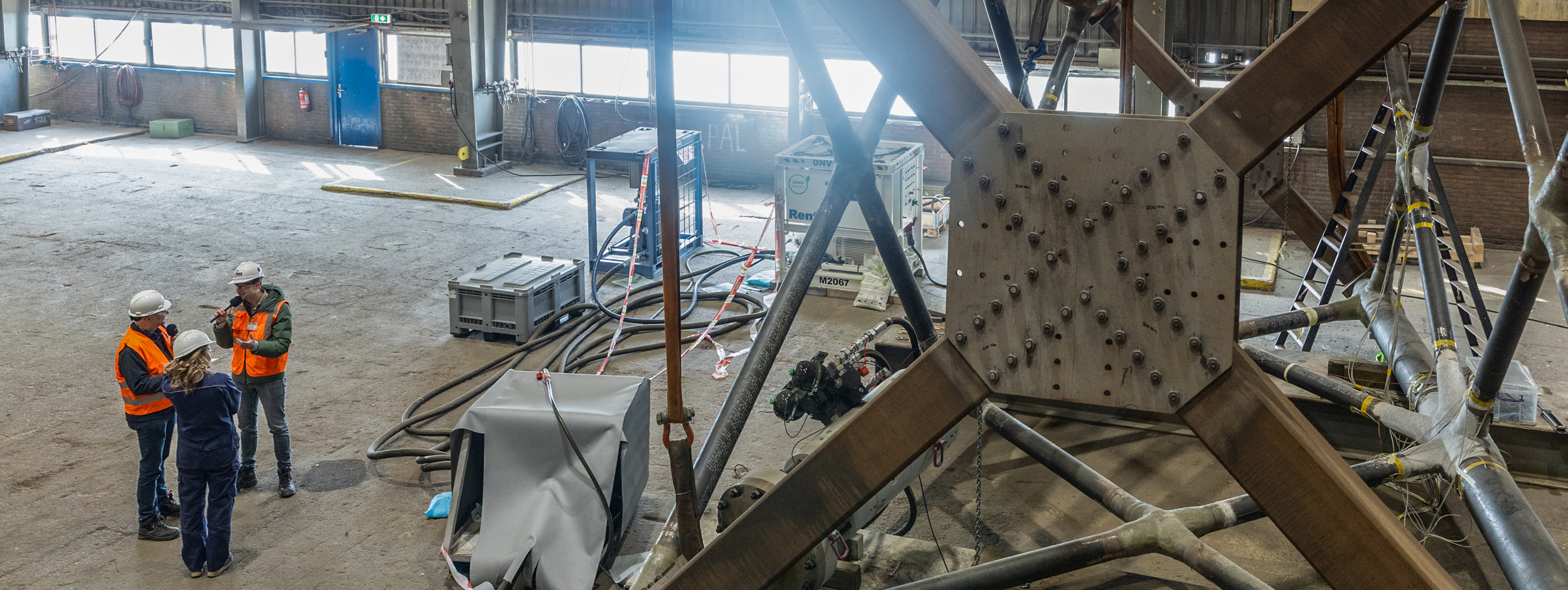
The test structure is a scaled-down jacket, reduced by a factor of five, yet designed to replicate real offshore conditions faithfully. “We reduced the sizes proportionally and also the load that we are applying,” Christoforidou explains. Unlike traditional tests that isolate individual joints, this setup brings multiple connections together into a single system. Loads are applied diagonally using a hydraulic jack, simulating the complex interplay of axial forces and bending moments seen offshore. “It mimics the flow of stresses that we see in reality.”
 |
|
Beyond failure: proving durability
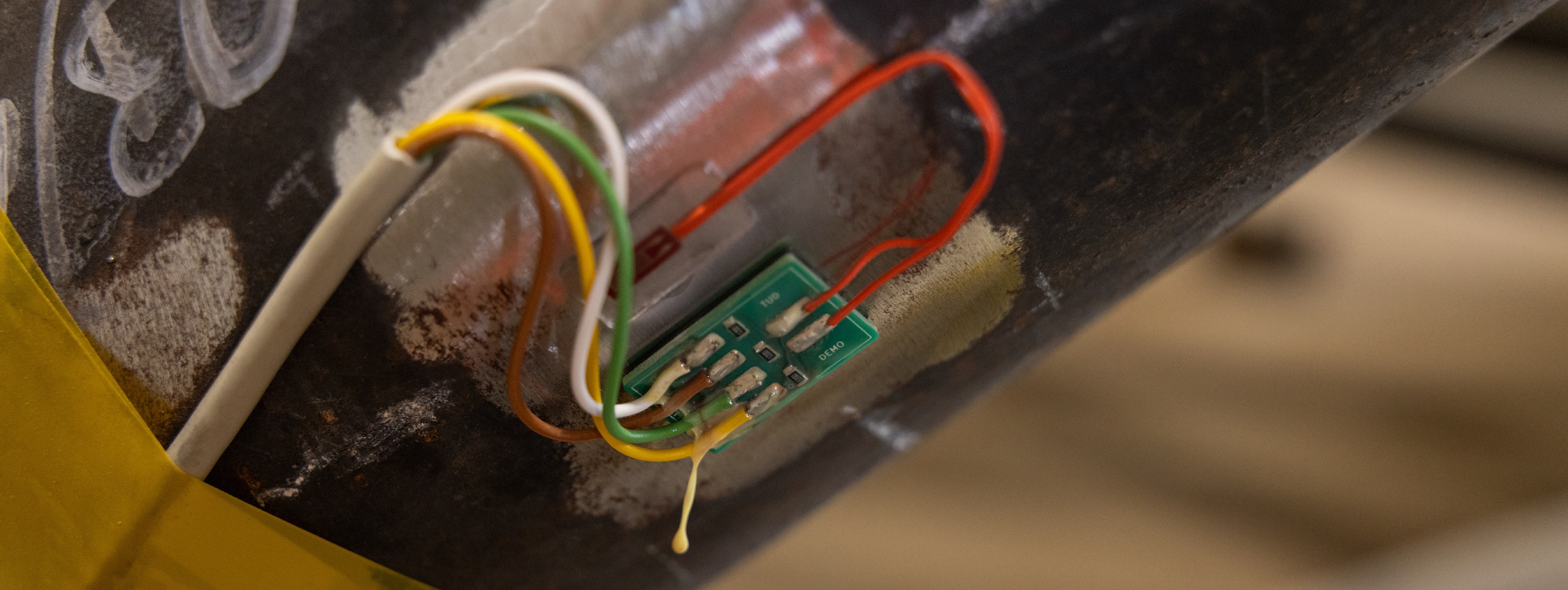
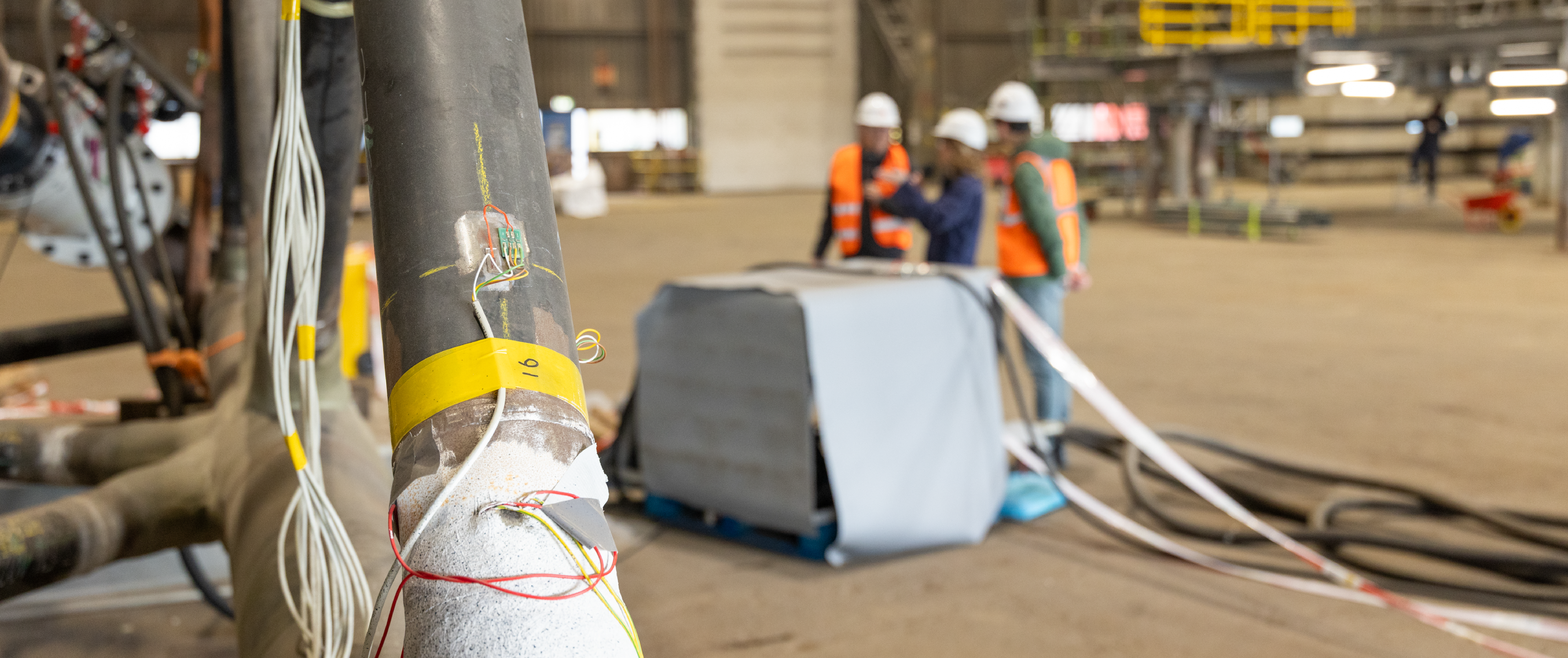
The structure is heavily instrumented. Strain gauges track local, optical fibres monitor crack growth and internal behaviour at the joints, and 3D digital image correlation systems capture surface deformations. Every possible change is tracked. And the result? “Guess what?” she laughs. “This is a very boring test. Nothing happened.” That “nothing” is exactly what the team aimed for. Even when loaded beyond normal operationing range, up to 150 per cent of the design load, no failure modes appeared. Not even early signs of damage. “We didn’t manage to see any failure or even sign of degradation,” Christoforidou adds. “So it’s quite a positive outcome.”
 |
|
Precision meets confidence
Behind the physical testing lies a rigorous modelling effort. Full-scale and downscale simulations were developed in parallel, ensuring that experimental results could be directly related to real-world structures. “If I were to upscale the expected amount of force from the downscale model, I’m actually seeing what is happening in the full-scale design as well,” Christoforidou explains. The match between measurement and simulation is remarkably precise. “It’s within the uncertainty range, but minor,” she says. “Within the industry standards.” That level of validation is critical. It provides the confidence needed to move from controlled experiments to real offshore applications. “If it works here,” Kapteijn adds, “then we’re also confident on the full scale.”
 |
|
From 200 hours to just a few
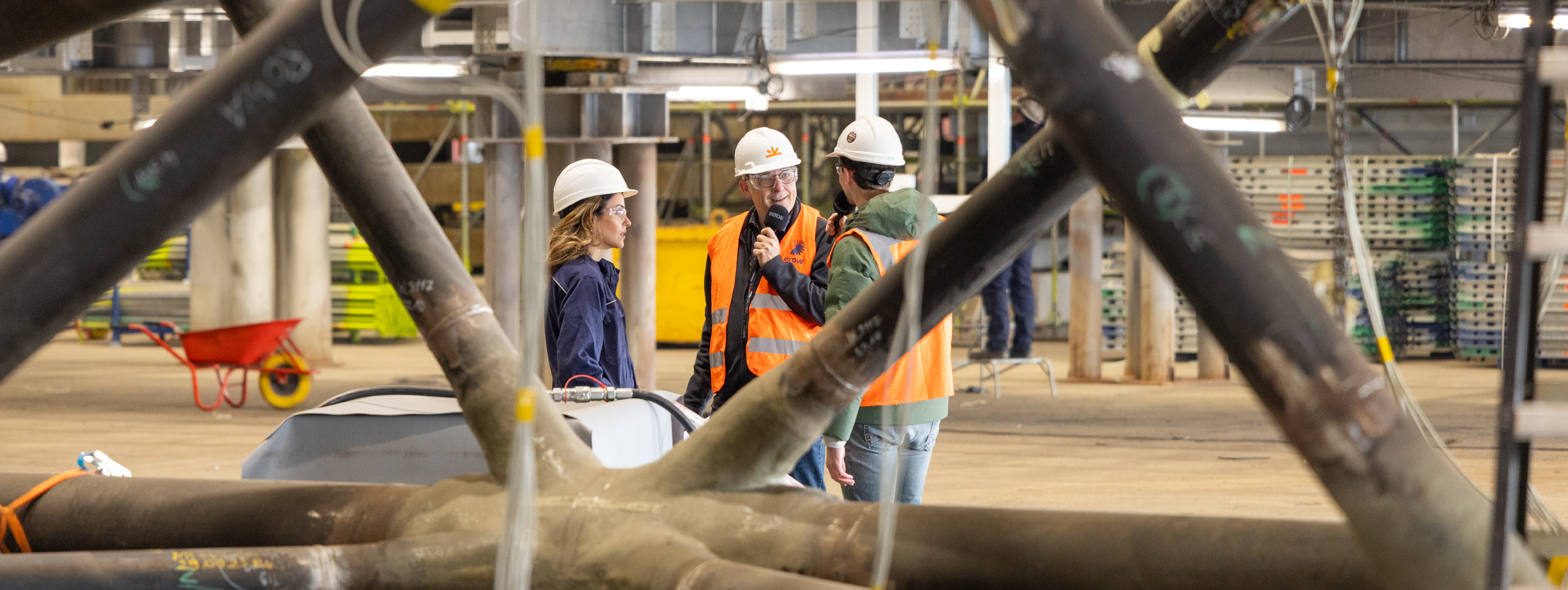
Beyond performance, composite joints promise a radical shift in how offshore jackets can be built. Traditionally, complex joints require highly skilled welders working long hours in challenging conditions. Automation remains limited due to the geometry of tubular and multi-planar connections. “With KK and YY joints, automation is more challenging,” Kapteijn says of robotic welding. “You still rely on lots of manual labour.” Composite fabrication, by contrast, opens new pathways. Glass fibres can be pre-shaped and delivered to the yard, where they are laid onto steel components before resin is applied. The process is fast and scalable. “Within two days, one day for glass layup and one day for resin application, the joint is ready,” Kapteijn says. “If you weld such a joint… it can take over 200 hours.” There are two primary approaches: prefabricated nodes produced in dedicated facilities, or “point-to-point” construction, where composites are applied directly at the yard, potentially eliminating welding at the yard almost entirely. “That is really like a game changer,” he says.
Integrated monitoring from day one
Another advantage lies in monitoring and maintenance. Composite joints can integrate fibre-optic systems that continuously monitor structural health. “When something is happening, you get a message,” Kapteijn explains. “Please go for a visual inspection.” This aligns with a broader philosophy: not just building strong structures, but building smart ones. Environmental impact on the joints is also part of the equation. Testing has shown no degradation, nor reduction of extreme load resistance and fatigue performance was observed from the WrapNode joints subject to seawater ageing compared to reference non-aged joints.
 |
|
Extending lifespan
Longer-lasting structures unlock new possibilities. “What if you can use your structure longer and put a new turbine on top after the lifetime of the original turbine?” Kapteijn suggests. With decommissioning costs increasingly recognised as underestimated by as much as 40%, extending asset life could deliver significant economic benefits.
 |
|
Ready for the next step
To scale up composite joints for offshore wind, Tree Composites is developing a dedicated production line based on prefabrication and automation. The line allows for both prefabricated joint supply to yards as for the point-to-point construction with composite application services at the yard. For the latter, Glass fibre “kits” are prepared off-site and then applied to steel nodes at the yard, where a sealed resin application completes the joint.
This approach improves fabrication speed and further reduces the number of fatigue-sensitive welds, while automation of key steps enables higher volumes. The result is a faster, more scalable manufacturing process suited to large offshore projects.
The JOIN2SCALE project, funded by the European Union, will accelerate the transition from pilot-scale manufacturing to industrial-scale production. Tree Composites coordinates this €9 million Horizon Europe project, bringing together 10 partners to develop an automated composite joint production line in Delft, targeted to be operational by 2028.
AOC: Providing expert input on materials
Enersea: Design of the jacket foundations
Smulders-HSM: Demonstration of integration of composite joint technology in existing yard environment.
Parkwind JeraNex bp: expertise in finance, development and operating offshore wind farms
Shell: expertise in project development and operating wind farms
Siemens Energy: Providing input turbine loads. Support and review on load assessment on design of the jackets
Tree Composites: Development of design and manufacturing of composite joints
JOIN2SCALE at the ECCS (European steel construction association) website
”The technology is now approaching market readiness.” Kapteijn says. The final step is a full-scale offshore demonstration, a move the team hopes to achieve by 2028 or 2029. “We want to take it step by step,” he says, starting with full-scale segments before progressing to complete structures.
Yet, as with many innovations, the challenge is not purely technical. It is also about enabling first-of-a-kind deployment. Demonstration programmes and public support mechanisms can help de-risk initial projects and accelerate the transition from proven technology to industry standard.
TU Delft: Leading the consortium and knowledge development on behaviour of the composite joints
Vattenfall: Design, exploitation and maintenance of offshore wind farms
Find out more about the WrapNode II project
 |
|
© GROW ’26